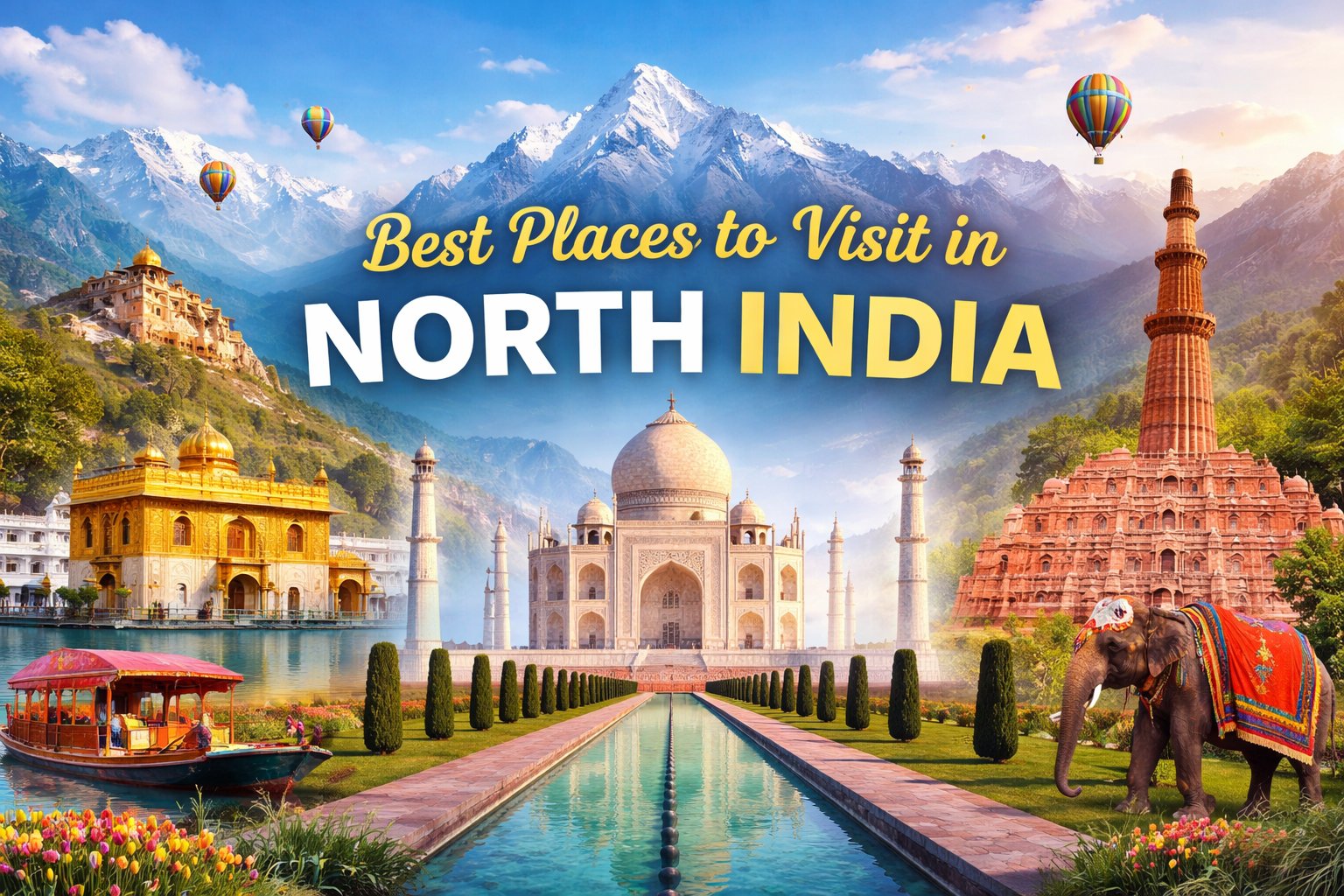
Best Places to Visit in North India: Hill Stations, Cities & Heritage Spots
North India isn’t a place you rush through — it’s a region best experienced slowly, one road at a time. From cool hill towns to historic cities and grand monuments, the variety here rewards travelers who like flexibility in their plans. That’s why many people now prefer exploring North India tourist places by road, where the journey becomes just as memorable as the destination.
Using the best car rental in India like Revv, makes getting around far simpler. Having your own car means you can travel on your schedule, take spontaneous detours, and spend more time where you actually want to be. If you’re planning a trip soon, booking your car in advance can make the experience smoother from the very beginning. Whether you’re drawn to mountains, culture, or history, this guide highlights some of the most rewarding places to travel in North India — and how to explore them comfortably.

Hill Stations Worth the Drive
1. Shimla
Shimla grew into prominence during the British era, and traces of that period still shape its architecture and layout today. With cool weather, forested hills, and walkable streets, it remains one of the easiest mountain towns to explore at a relaxed pace.
Top spots:
- Mall Road and Christ Church
- Kufri viewpoints and forests
- Jakhoo Temple hilltop views
2. Manali
Once an important stop along ancient trade routes, Manali today draws visitors for its mountain views, riverside setting, and mix of adventure and café culture. The town works well for both active trips and slower nature-focused breaks.
Top spots:
- Rohtang Pass mountain drive
- Old Manali cafés and river walks
- Solang Valley for activities and views
3. Rishikesh
Rishikesh has long been known as a spiritual center, attracting pilgrims and seekers for generations. Today it blends that heritage with yoga retreats, riverside cafés, and outdoor experiences along the Ganges.
Top spots:
- Laxman Jhula and Ram Jhula
- River rafting stretches
- Evening Ganga aarti at Triveni Ghat
Also Read: Top 10 Most Dangerous Treks in India
Cities Full of Culture and Character
Some of the most memorable best places to see in North India aren’t quiet landscapes but lively cities full of stories.
1. Jaipur
Founded in 1727 by Maharaja Sawai Jai Singh II, Jaipur was one of India’s first planned cities, designed with astronomy, trade, and defense in mind. Its pink-colored old city and royal architecture still reflect that vision. Jaipur’s forts and markets make it one of the most visually striking cities in India.
Top spots:
- Amber Fort and Nahargarh Fort
- City Palace and Hawa Mahal
- Johari Bazaar for crafts and jewelry
2. Varanasi
Often called one of the world’s oldest living cities, Varanasi has been a center of religion, learning, and culture for over two millennia. Its ghats and temples continue to host rituals that feel unchanged by time. Varanasi feels timeless, with rituals and traditions continuing as they have for centuries.
Top spots:
- Sunrise boat ride on the Ganges
- Kashi Vishwanath Temple area
- Evening aarti at Dashashwamedh Ghat
3. Delhi
Delhi’s history stretches across several empires — from the Delhi Sultanate to the Mughals to the British Raj. Each era left monuments, neighborhoods, and cultural layers that define the city today.
Top spots:
- Red Fort and Jama Masjid
- India Gate and Rajpath
- Chandni Chowk food lanes
Heritage Landmarks You Can’t Miss
1. Taj Mahal, Agra
Built by Shah Jahan in the 17th century, the Taj Mahal is admired not only for its beauty but for its symmetry, marble craftsmanship, and symbolic design. Visiting at sunrise or sunset adds to the experience, when the monument’s color subtly shifts with the light.
Nearby highlights:
- Agra Fort
- Mehtab Bagh sunset view
2. Amber Fort, Jaipur
Amber Fort once served as the royal seat of the Rajput rulers and blends military strength with ornate palace design. Its courtyards, mirror-work halls, and hilltop setting give visitors a sense of both defense and royal life in earlier centuries.
Nearby highlights:
- Maota Lake views
- Light-and-sound evening show
3. Qutub Minar, Delhi
Dating back to the 12th century, the Qutub Minar marks the beginning of Delhi’s Sultanate era and stands as one of the earliest Indo-Islamic monuments in India. The surrounding ruins and structures reveal how the city evolved through changing dynasties.
Nearby highlights:
- Iron Pillar
- Qutub archaeological ruins

Why Self-Drive Travel Works Best in North India
Traveling through North India often means unpredictable traffic, scenic detours, and places you didn’t plan but want to explore. That’s where self-drive travel stands out.
Benefits include:
- Freedom to adjust plans on the go
- Easier access to offbeat spots and viewpoints
- Comfort for families or groups
- Better control over time and pace
For many travelers, this flexibility makes road trips the preferred way to discover famous places in North India instead of relying on rigid schedules.
Best Time to Visit North India & Travel Planning Tips
North India changes dramatically with the seasons. Snow transforms the hills in winter, spring brings clear skies, and autumn offers some of the best travel weather of the year. Planning your trip around climate and crowd patterns can make a big difference to the experience.
| Destination Type | Best Months to Visit | Why It Works |
|---|---|---|
| Hill Stations (Shimla and Manali) | March – June; September – November | Pleasant weather, clear views, and easier road travel |
| Heritage Cities (Delhi, Jaipur, and Agra) | October – February | Cooler weather makes monument visits easier and more comfortable |
| Desert & Plains (Jaisalmer, Bikaner, and Amritsar) | November – February | Avoids extreme summer heat |
| Spiritual Towns (Rishikesh and Varanasi) | October – March | Comfortable temperatures for walking and a holy dip |
| Snow Experiences in Hills (Manali and Shimla) | December – February | Best chance to experience snowfall and winter scenery |
Quick Planning Tips:
- Start sightseeing early to avoid crowds at major monuments.
- Keep buffer days for mountain travel delays.
- Carry light layers — North India’s weather can shift quickly.
- Book transport in advance during peak holiday months.
Having a flexible travel plan often makes the journey smoother, especially when routes include both cities and mountains.
Also Read: 12 Temples Praised for Their Unique Architecture in India
Scenic Road Routes That Make the Journey Part of the Trip
In North India, the road often becomes the best part of the trip. Long drives through hills, forts, and river valleys reveal places you’d miss otherwise. That’s why many travelers now rely on self-drive car rentals in North India for flexibility rather than rigid transfers.
Routes worth planning for:
- Delhi to Shimla: A gradual climb from plains to pine-covered hills with scenic stopovers.
- Jaipur to Agra via Fatehpur Sikri: A heritage-rich stretch dotted with Mughal-era landmarks.
- Rishikesh to Mussoorie: Winding hill roads with sweeping valley views.
Choosing the best car rental service like Revv makes it easier to pause, explore, and enjoy the journey — not just the destination.
Takeaway: See North India on Your Own Terms
North India isn’t just about ticking off landmarks — it’s about the journeys between them. A roadside tea stall in the hills, a sunset at a fort, or an unexpected market stop can become the highlight of your trip.
That’s why many travelers now prefer planning flexible road trips across North India tourist places instead of fixed itineraries. With the convenience of self-drive options, you can explore at your own pace, change plans anytime, and truly experience the region.
If you’re planning your next trip, consider booking your vehicle with Revv, the best car rental service provider in India, and turn your North India journey into a road trip you actually control — not just one you follow.